ZIP 27619 · Raleigh, NC · Wake County
Storm Damage Restoration in 27619Hail Damage Leak Cleanup & Debris Removal After Storm
Storm Damage Restoration for Raleigh homes covers storm flooded basement cleanup, wind-driven rain drying and emergency roof tarping.
Answered 24/7
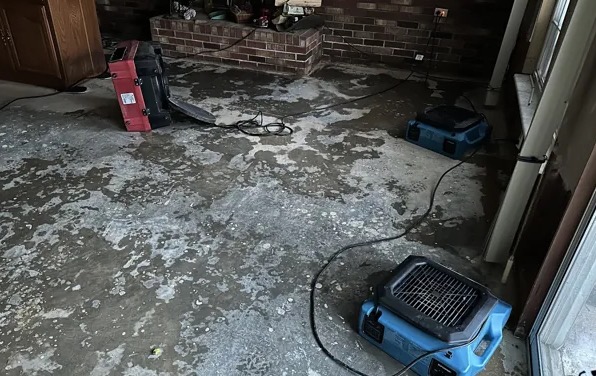
Storm Water Damage Cleanup in 27619, North Carolina
In Raleigh, the storms that cause the most water damage bring strong wind and heavy rain together, pushing water into places it does not normally reach.
Storm damage restoration is available in Raleigh and nearby Garner, Cary and Knightdale. The pros handle board-up, tarping, water extraction and drying after storms of any size.
What Storm Damage Restoration Covers in 27619
Hail Damage Leak Cleanup
Hail can crack shingles, skylights and vent caps, and the next rain finds those cracks. The pros dry the attic and ceilings where the water got in.
Debris Removal After Storm
Storm debris inside a home is bagged and removed first. Floors and walls under it are then cleaned and checked for moisture.
Wall Cavity Drying After Storms
When siding is torn or cracked in a storm, rain gets into the wall. The inside is dried while the outside is covered until it can be repaired.
Storm Damage Water Extraction
After a storm, water is extracted room by room with pumps and extractors, starting with the areas where it is deepest.
Emergency Roof Tarping
Torn or missing roof sections are covered with a heavy tarp so no more rain reaches the attic while the inside is dried.
When Storm Damage Needs Professional Cleanup
Dented Vents and Skylights
Hail dents on roof vents, skylight frames or flashing can leave gaps where water gets in during the next storm.
Bubbling Paint on Exterior Walls
Paint that bubbles on the inside of an exterior wall after a storm points to water that got behind the siding.
Musty Smell After Heavy Rain
A damp smell that was not there before the storm usually means wet insulation, carpet pad or wall cavities.
Dripping From Light Fixtures
Water coming through a light or fan means it has pooled above the ceiling. Turn off that circuit and keep people clear.
How Storm Damage Restoration Works in 27619
Step 1: Emergency Roof Tarping
Openings in the roof from wind or hail are tarped so the attic and ceilings stop taking on water.
Step 2: Hail Damage Leak Cleanup
Water in the attic is removed, wet insulation is pulled and ceilings below are checked for trapped water.
Step 3: Clean Surfaces
Floors and lower walls touched by outside water are cleaned and treated before drying to limit odor and contamination.
Step 4: Structural Drying
Dehumidifiers and air movers dry the attic, walls and floors, with readings taken each day until the targets are met.
Common Causes of Storm Damage in 27619
Storm Runoff Into Basements
Heavy rain can raise the water around a house and push it through window wells, cracks and floor drains.
Hail Impact
Hail cracks shingles, skylights and vent caps, opening small gaps that leak during the storms that follow.
Flash Flooding
Sudden heavy rain can send water across yards and under doors faster than drains and gutters can carry it away.
Flying Debris
Outdoor furniture, signs and branches carried by wind can break glass and doors and let rain into the home.
Storm Damage Restoration for Homes and Businesses in 27619
Residential Storm Damage Restoration
For homeowners, the first job after a storm is stopping more water from getting in. Board-up and tarping come first, then extraction and drying.
Commercial Storm Damage Restoration
Property managers get moisture readings and photos for each affected unit or suite, which helps when several tenants and insurers are involved.
When Storm Damage Is Too Big for DIY
Keep receipts for tarps, plywood and any supplies you buy after the storm. Many policies cover reasonable steps taken to prevent more damage to the home.
What Drives Storm Damage Restoration Cost?
In Raleigh, the biggest cost drivers after a storm are the number of wet rooms, soaked insulation and drywall, and after-hours work during the storm.
Basement Flooding
Pumping out a flooded basement and removing wet finishes adds equipment and labor to the job.
Timing of the Work
Work during or right after a storm, at night or on a weekend, can carry a higher rate than scheduled work.
Debris Inside
Mud, glass, branches and wet insulation inside the house take time to clear and dispose of.
Does Insurance Cover Storm Damage Restoration?
Insurance may pay for board-up, tarping, extraction and drying after a covered storm. Your insurer decides what is covered, so check your policy and deductible.
Why Storm Damage Needs Professional Drying in 27619
Records for Your Claim
Photos, readings and a list of removed materials give your adjuster a clear picture of the storm damage inside the house.
Hidden Water Found
Moisture meters and thermal cameras find water in walls, attics and under flooring that is not visible after a storm.
Openings Covered First
Board-up and tarping keep more rain out, so drying is not undone by the next storm.
Storm Water Inside Your 27619 Home Right Now?
Storm damage in Raleigh? Call (919) 635-9415 for emergency water extraction, removal of debris inside the home and drying, day or night.
Call Now (919) 635-9415Storm Damage Restoration Near 27619: Areas Served
From Raleigh to Garner, Cary and Knightdale, storm cleanup follows the same steps: cover the openings, remove the water and dry the structure.
Questions About Storm Damage Restoration
What should I do first after a storm damages my home?
Stay away from downed power lines, take photos, move belongings away from water and call (919) 635-9415 for board-up, tarping and drying.
Do the pros repair roofs and windows?
They cover them with tarps and plywood so the inside can dry. Permanent roof, window and siding repairs are done by those trades.
Should debris be removed before the adjuster visits?
Take photos and video first. Your insurer can tell you what to keep for the adjuster, but wet debris inside the house may need to be removed to prevent more damage.
Can storm damage lead to mold?
It can if materials stay wet for a day or two. Prompt extraction, removal of soaked insulation and measured drying keep that from happening.
How long does it take to dry a home after storm damage?
Drying often takes several days, depending on how many rooms got wet and how much insulation and drywall came out. Moisture readings decide when it is done.