Durham, NC · Durham County
Attic Water Damage Restoration in Durham, NCEmergency Attic Water Extraction & Wet Attic Insulation Removal
Attic Water Damage Restoration in Durham includes roof leak water removal, ceiling water damage cleanup and attic moisture inspection.
Answered 24/7
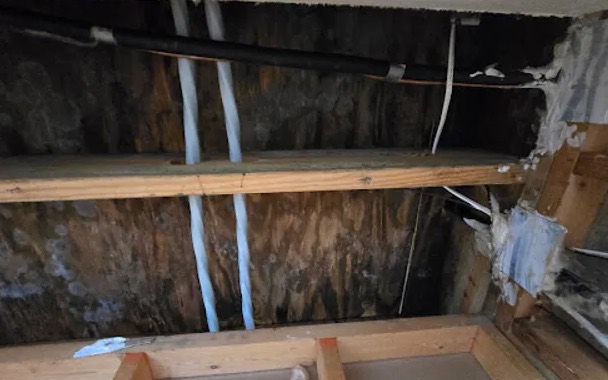
Local Attic Water Damage Restoration for Durham Homes
After a storm in Durham, water can come into the attic through lifted shingles, damaged vents or a hole from a fallen limb. Getting it out quickly keeps the ceiling below intact.
A storm leak in Durham can soak attic insulation in one night. Local restoration specialists serve Durham and nearby Chapel Hill, Carrboro and Morrisville, with help available around the clock.
Available Attic Water Damage Restoration Work in Durham
Emergency Attic Water Extraction
Emergency extraction in an attic removes standing water from decking and drywall tops, and buckets or containment catch active drips.
Wet Attic Insulation Removal
Blown-in insulation that got wet clumps and packs down. It is vacuumed out of the affected area and replaced after the attic is dry.
Attic Moisture Inspection
Moisture meters and thermal cameras check decking, rafters, insulation and the ceiling below to find every wet area.
Attic Drying Services
Attic drying targets the wood framing and the ceiling below, with readings taken until both return to normal levels.
Attic Mold Prevention
Drying wet wood quickly is the main way to limit microbial growth in an attic. Decking and rafters that stayed damp can be treated once dry.
Indicators for Emergency Attic Water Removal
Crumbling Drywall Tape
Ceiling drywall tape that bubbles, cracks or peels usually means water is soaking the seams.
Visible Mold in Attic
Dark spots on roof decking or rafters mean the wood has stayed damp for some time.
Peeling Paint or Wallpaper
Paint that bubbles or peels on upstairs ceilings and walls often has water behind it.
Wet or Sagging Insulation
Insulation that looks matted, dark or compressed, or sags between joists, has absorbed water.
How Attic Water Damage Restoration Works in Durham
Step 1: Initial Assessment and Water Removal
The pros find the source, check safety in the attic and remove standing water and wet debris.
Step 2: Wet Attic Insulation Removal
Soaked batts or blown-in insulation are bagged and removed so the wood and drywall can dry.
Step 3: Targeted Attic Drying Process
Drying equipment is aimed at the wet framing and ceiling, and moved as areas reach normal readings.
Step 4: Sanitization and Mold Prevention
Once dry, decking and rafters that stayed wet can be cleaned and treated with an antimicrobial.
What Causes Attic Water Damage in Durham?
Overflow From Bathroom Exhaust Fans
Bathroom fans that vent into the attic, or have disconnected ducts, release moisture onto the decking.
Condensation From Poor Ventilation
Warm, moist air from the house condenses on cold roof decking when the attic is poorly vented.
Attic Appliance Leaks
AC air handlers in the attic overflow when the condensate line clogs or the pan cracks.
Clogged or Damaged Gutters
Clogged gutters overflow at the roof edge, pushing water under shingles and into the soffits.
Attic Water Damage Restoration for Homes and Businesses in Durham, NC
Residential Attic Water Damage Restoration
In two-story homes, an attic leak can affect both upstairs ceilings and the walls below them. Each wet area is checked with a meter and dried.
Commercial Attic Water Damage Restoration
Flat-roof commercial buildings often have leaks that travel before dripping. The pros trace the water path to find every wet section above the ceiling.
Why DIY Attic Water Damage Restoration Often Fails in Durham
You can check the attic with a flashlight for wet insulation and dripping water if it is safe to do so. Removing soaked insulation and drying the framing takes equipment, protection and safe footing.
What Influences Attic Water Damage Restoration Expenses?
Roof repair is a separate cost from water removal and drying. In Durham, both are usually needed after a roof leak.
Size and Accessibility
Low, tight attics take longer to work in than tall attics with easy access.
Extent of Water Intrusion
A small leak at one spot costs less to dry than water spread across the attic and the rooms below.
Type of Water Involved
Clean rainwater is simpler to handle than water from a drain or a contaminated source.
Does Insurance Cover Attic Water Damage Restoration?
Insurers often ask what caused the leak and how long it ran. Notes on the leak point and the condition of the roof help answer those questions.
The Value of Local Attic Water Damage Restoration Experts
Detailed Documentation
Photos, readings and drying logs are kept to support your insurance claim.
Structural Drying Expertise
Drying equipment is placed for attic framing and decking, where moisture is hardest to remove.
Advanced Moisture Detection
Moisture meters and thermal cameras find wet insulation, wood and drywall that look dry.
Round-the-Clock Attic Water Damage Restoration in Durham
Ceiling bulging or sagging? Keep everyone out of the room below it and call (919) 635-9415 now for attic water damage restoration in Durham.
Call Now (919) 635-9415Local Attic Water Damage Restoration Coverage Area
Nearby areas served for attic water damage restoration include Chapel Hill, Carrboro and Morrisville, with the same attic inspection and drying process used in Durham.
Frequently Asked Attic Water Damage Restoration Questions
How is attic water damage documented?
With photos of the leak point and damage, moisture readings, a list of removed materials and daily drying logs.
What are common signs of poor attic ventilation?
Damp or dark roof decking, rusted nails, musty smells and condensation on the underside of the roof.
What happens during attic leak water cleanup?
Pooled water is removed, wet insulation is bagged and taken out, and the framing and decking are dried with air movers and dehumidifiers.
What are the first steps after finding attic water damage?
Catch active drips, move belongings out of the room below, keep away from sagging ceilings and call for an inspection and water removal.
Is attic mold prevention always needed after water damage?
Fast drying is always needed. Antimicrobial treatment is added when wood stayed wet long enough to need it.