Coats, NC · Harnett County
Office Building Water Extraction in Coats, NCOffice Records Water Protection & Ceiling Leak Water Removal
Office Building Water Extraction in Coats handles office building flood cleanup, commercial carpet water extraction and wet drywall removal.
Answered 24/7
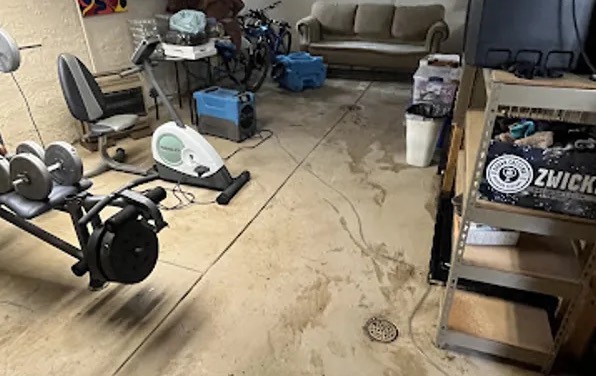
Office Water Removal Services in Coats, North Carolina
Most office water losses in Coats start with a supply line, a restroom fixture, a sprinkler head or a roof drain. The water often shows up first as wet carpet or a dripping ceiling tile.
Office building water extraction is available in Coats and nearby Buies Creek, Erwin and Benson. The pros handle glue-down carpet, drop ceilings and metal-stud walls common in offices.
Office Building Water Extraction Services in Coats
Office Records Water Protection
Desks, files and computers in wet areas are moved, raised on blocks or covered. Wet paper records are boxed and set aside for document drying.
Ceiling Leak Water Removal
Leaks from roof drains, rooftop units or the floor above often spread across a drop ceiling before tiles stain. The pros lift tiles to find the full wet area.
Commercial Carpet Water Extraction
Carpet tiles that stayed wet too long or came up from the adhesive are removed and stacked for replacement. The slab under them is dried before new tiles go down.
Office Building Drying Services
Drying plans are set up around work hours where possible, with quieter equipment in occupied areas and heavier units in closed sections.
Wet Drywall Removal
Drywall that wicks water above the baseboard is cut a few inches above the wet line. That opens the wall so the studs and insulation can dry.
How to Spot Water Damage in an Office Building
Wet or Squishy Carpet
Carpet that feels damp or makes a squishing sound underfoot means water is in the backing or sitting on the slab beneath it.
Loose or Lifting Carpet Tiles
Carpet tiles that shift or curl at the edges usually mean water has softened the adhesive underneath them.
Stains Below Restrooms
Stains on the ceiling of the floor below a restroom often mean a toilet seal, supply line or drain is leaking.
Dripping Light Fixtures
Water from a ceiling light or diffuser means it has pooled above the ceiling. Shut off the circuit and keep the area clear.
How Office Building Water Extraction Works in Coats
Step 1: Safety and Source Check
Power to wet areas is shut off, the source of the water is stopped and people are kept away from sagging ceilings.
Step 2: Emergency Office Water Extraction
Standing water is removed from carpet, hard floors and the space under cabinets with portable or truck-mounted extractors.
Step 3: Remove Wet Materials
Ceiling tiles, the lower strip of soaked drywall and carpet tiles that came loose are removed so the structure can dry.
Step 4: Drying and Readings
Air movers and dehumidifiers run while the pros take daily readings, until floors and walls match dry parts of the building.
Where Office Building Leaks Start in Coats
Burst Supply Lines
Restroom and break-room supply hoses can split without warning and run for hours, especially overnight or on weekends.
Frozen Pipes
Pipes in exterior walls or unheated stairwells can freeze and split during a cold snap, then leak when they thaw.
Window and Wall Leaks
Failed window seals and cracked exterior joints let wind-driven rain into walls and onto carpet along the outside of the building.
Sprinkler System Discharge
A damaged head or a broken fitting in a fire sprinkler system can release a large amount of water across an office floor.
Office Building Water Extraction for Mixed-Use and Commercial Properties in Coats
Residential Water Extraction
Apartments above ground-floor offices often share plumbing walls. When water moves between them, the pros trace it through the wall and dry both sides.
Office Building Water Extraction
Call centers and open-plan offices with glue-down carpet need extraction tools that pull water from the backing, followed by floor drying under the furniture.
When an Office Leak Needs Commercial Restoration Pros
Take photos and video of wet areas, ceiling tiles and equipment before anything is moved. The building owner and each insurer involved will ask for them.
Factors in Office Water Extraction Pricing in Coats
In Coats, office water extraction is usually priced on the area affected, the equipment used and the days it runs, plus any materials removed.
Size of the Wet Area
The square footage of wet carpet, walls and ceiling sets how much equipment is needed and how long it runs.
Number of Floors
Water that travels to lower floors means more spaces to extract, dry and document.
Flooring Type
Glue-down carpet and carpet tiles take more extraction passes than sealed concrete or vinyl, and some tiles may need replacement.
Does Insurance Cover Office Building Water Extraction?
Commercial property policies often cover sudden water damage such as a burst pipe or sprinkler discharge. The building owner's and tenants' policies may each cover different parts.
Reasons to Use Local Pros for Office Water Removal
Contents Handled With Care
Computers, files and furniture are moved or blocked up first, so they are not damaged while water is removed.
Contaminated Water Handled Safely
Water from sewer backups or restroom overflows is treated as contaminated, with wet porous materials removed and surfaces disinfected.
Records for Every Suite
Readings and photos are kept for each affected space, which helps owners, tenants and insurers sort out the claim.
24/7 Emergency Office Building Water Extraction in Coats
If water is dripping from ceiling tiles or soaking carpet in your office, call (919) 635-9415. Extraction can start after hours so the office can reopen sooner.
Call Now (919) 635-9415Local Office Building Water Extraction for Coats and Surroundings
Businesses in Coats and nearby places such as Buies Creek, Erwin and Benson can get extraction and drying for offices, at night and on weekends too.
- Office Building Water Extraction in Buies Creek
- Office Building Water Extraction in Erwin
- Office Building Water Extraction in Benson
- Office Building Water Extraction in Angier
- Office Building Water Extraction in Lillington
- Office Building Water Extraction in Willow Spring
- Office Building Water Extraction in Bunnlevel
- Office Building Water Extraction in Fuquay-Varina
- Emergency Damage Restoration in 27521
- Storm Damage Restoration in 27521
- Water Damage Restoration in 27521
- Water Extraction Service in 27521
- Water Leak Detection in 27521
- Water Removal Service in 27521
Office Building Water Extraction FAQs
Does water extraction stop mold in an office?
Fast extraction and drying are the main way to keep mold from starting. Materials that stay wet for more than a day or two are at higher risk.
What records will the property manager receive?
Photos, daily moisture readings and a list of removed materials for each affected area, which can be shared with insurers.
How long does it take to dry an office after a leak?
Most offices dry in three to five days, depending on how much water there was and the type of flooring and walls. Readings decide when it is done.
How do the pros find hidden water in an office?
They use moisture meters and thermal cameras to check under carpet tiles, inside partition walls and above the ceiling grid.
Can extraction happen at night or on weekends?
Yes. Help is available 24/7, and many offices prefer extraction to start after hours so fewer people are disturbed.