Angier, NC · Harnett County
Hydrostatic Pressure Water Removal in Angier, NCSlab Seepage Water Removal & Structural Drying After Intrusion
Hydrostatic Pressure Water Removal in Angier covers groundwater intrusion mitigation, wet subfloor removal and crawl space water extraction.
Answered 24/7
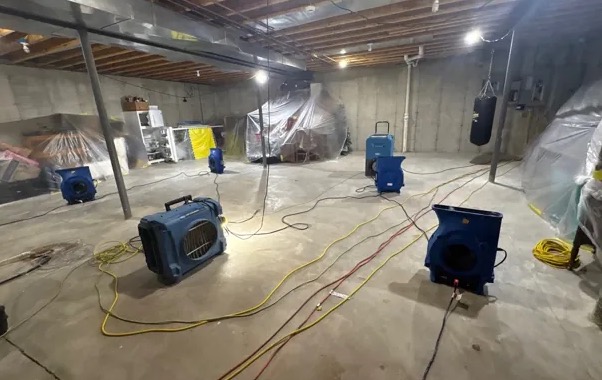
Addressing Hydrostatic Pressure Water Damage in Angier
When the soil around a home in Angier is soaked, the water presses against the foundation and finds its way into basements and crawl spaces. The damage often starts out of sight.
In Angier and nearby Chalybeate Springs, Kipling and Willow Spring, soaked soil can push water into basements and crawl spaces. Local hydrostatic pressure experts extract the water and dry the structure.
Detailed Hydrostatic Pressure Water Removal Methods
Slab Seepage Water Removal
Slab seepage water removal clears water that soil pressure forces through joints and cracks in the slab, then the flooring and baseboards are checked with moisture meters.
Structural Drying After Intrusion
After water is pushed inside, air movers and dehumidifiers dry the wood, concrete and drywall it reached so rot and mold do not start.
Slab Leak Water Removal
When water comes up through a slab, it is extracted before it wicks into the walls, and the slab surface and nearby materials are dried.
Wet Subfloor Removal
Subfloor that stayed soaked after a groundwater flood may have to be removed. The water is extracted, the damaged sections cut out and the area dried for new material.
Foundation Crack Water Infiltration
Even hairline cracks can let in a lot of water when the soil is soaked. The water inside is removed, and sealing the crack is left to a foundation contractor.
When to Call for Hydrostatic Pressure Water Removal in Angier
Pooling Water in Crawl Space
Standing water in a crawl space is a clear sign water is getting in and needs to be removed.
Efflorescence on Concrete Surfaces
White, chalky deposits on foundation walls or the slab show water has been pushing through the concrete.
Spongy or Soft Spots on Floors
Damp spots or lifting flooring on a slab can mean water is coming up from below.
Mold on Baseboards
Mold along baseboards or lower walls points to ongoing moisture coming through the foundation.
How Hydrostatic Pressure Water Removal Works in Angier
Step 1: Source Containment and Control
Where possible, the water source is controlled first, such as redirecting downspouts or stopping a plumbing leak.
Step 2: Crawl Space Water Extraction
Equipment made for tight spaces extracts water from the crawl space so the framing can start drying.
Step 3: Affected Material Removal
Wet insulation and subflooring that cannot be dried are removed and hauled away.
Step 4: Dehumidification and Air Scrubbing
Dehumidifiers and air scrubbers bring humidity down and clear the musty air until the space is dry.
Sources Requiring Hydrostatic Pressure Water Removal
Soil Expansion and Contraction
Clay soil swells when wet, adding pressure on foundation walls and opening paths for water.
Failed or Missing Waterproofing
Worn exterior coatings or membranes let groundwater reach the foundation wall directly.
Heavy or Prolonged Rainfall
Long periods of rain soak the soil, and the water presses against the foundation until it finds a way in.
Clogged or Collapsed Footing Drains
When perimeter drains clog or fail, water has nowhere to go and presses against the walls and slab.
Hydrostatic Pressure Water Removal Services for All Properties in Angier
Residential Hydrostatic Pressure Water Removal
Persistent basement flooding from hydrostatic pressure can ruin furnaces, water heaters and stored items. Local structural drying professionals dry the structure fully to prevent further damage.
Commercial Hydrostatic Pressure Water Removal
In multi-tenant buildings, groundwater cleanup has to be planned around other businesses. The pros coordinate access and drying to limit disruption.
Why Hydrostatic Pressure Water Removal Requires Local Pros in Angier
Take photos and video of the damage from a safe spot for your insurance claim. Stay out of flooded areas with power still on, and let the pros handle the moisture mapping.
Understanding Hydrostatic Pressure Water Removal Expenses
The price for hydrostatic pressure water removal in Angier varies based on factors like the severity of the slab leak and the complexity of wet subfloor removal required.
Mitigation Measures
Drainage or waterproofing work to stop water from returning is a separate cost from the water removal.
Material Saturation Level
Deeply soaked subflooring or wet foundation walls need more extraction and dehumidification.
Affected Area Size
Larger flooded areas or large wet subfloors need more equipment and more days of drying.
Does Insurance Cover Hydrostatic Pressure Water Removal?
Whether insurance covers foundation water removal depends on how your policy treats groundwater. The pros document the flooded area and the damage, and your insurer makes the final call.
Selecting Local Pros for Hydrostatic Pressure Water Removal in Angier, NC
Focused Mitigation Planning
You get notes on where water came in, so you can plan drainage work with a contractor.
Structural Damage Assessment
The pros check where water came in and which materials it reached before drying starts.
Controlled Demolition Protocols
Only subfloor and materials that cannot be dried are removed, which keeps the repair smaller.
Emergency Hydrostatic Pressure Water Removal in Angier
If water is coming through foundation cracks or up through the slab, call (919) 635-9415 for 24/7 help in Angier. Removing it early keeps the damage smaller.
Call Now (919) 635-9415Hydrostatic Pressure Water Removal Coverage in Angier, Chalybeate Springs, Kipling and Willow Spring
The experts provide hydrostatic pressure water removal for homes in Angier and nearby Chalybeate Springs, Kipling and Willow Spring, for flooded lower levels and groundwater seepage.
- Hydrostatic Pressure Water Removal in Chalybeate Springs
- Hydrostatic Pressure Water Removal in Kipling
- Hydrostatic Pressure Water Removal in Willow Spring
- Hydrostatic Pressure Water Removal in Fuquay-Varina
- Hydrostatic Pressure Water Removal in Buies Creek
- Hydrostatic Pressure Water Removal in Coats
- Hydrostatic Pressure Water Removal in Erwin
- Hydrostatic Pressure Water Removal in Holly Springs
- Emergency Damage Restoration in 27501
- Storm Damage Restoration in 27501
- Water Damage Restoration in 27501
- Water Extraction Service in 27501
- Water Leak Detection in 27501
- Water Removal Service in 27501
Hydrostatic Pressure Water Removal in Angier: Your Questions
How is hydrostatic pressure measured during flooding?
It is not measured directly. The depth of water and how fast it comes in show how much pressure the soil is putting on the foundation.
Can crawl space water extraction prevent mold?
Removing the water quickly and drying the crawl space fully takes away the moisture mold needs, which keeps it from starting.
What steps are in flooded foundation cleanup?
Extraction, removal of mud and debris, cleaning of surfaces and full drying of the basement structure.
Why is subfloor drying services important after flooding?
Drying the subfloor keeps it from rotting and growing mold, which protects the floor system above it.
What does groundwater intrusion mitigation involve?
Removing the water, drying the structure and then, often, drainage or waterproofing work outside by a contractor.