
HVAC Leak Water Removal in Chapel Hill, NC
Trusted by 10,000+ Homeowners Across the USA
- 24/7 Emergency Response — We're Always Ready
- IICRC Certified & Licensed Professionals
- Direct Insurance Billing — No Hassle Claims
- Advanced Equipment & Proven Techniques
- 100% Satisfaction Guaranteed
- Call
- We arrive
- Restored
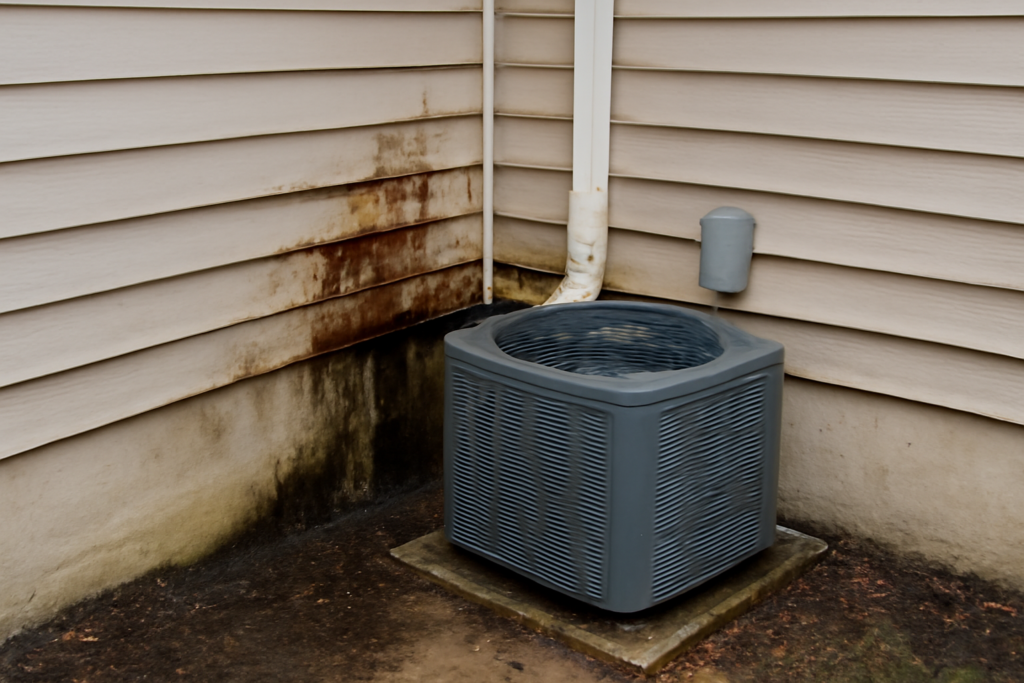
Don't Let Water Damage Your Home, Your Family's Health, and Your Wallet
Imagine walking into your home after a chilly winter morning, only to be greeted by the stench of mold and mildew, or the sight of water pooling around your air conditioning unit in Chapel Hill, NC. You feel a sense of panic as you realize that your HVAC system has leaked, causing water damage to your walls, floors, and ceilings. The air is thick with moisture, and you can't shake off the feeling that you need to act fast to prevent further damage to your property and the health of your loved ones. That's exactly what happened to many homeowners in the area, and it's a scenario that needs immediate attention.
At our water damage restoration company, we've helped hundreds of homeowners in the area, like you, recover from unexpected water damage incidents, including those caused by faulty HVAC systems. With over 165+ five-star reviews, you can trust us to deliver exceptional service and fast results. Our team is IICRC-certified, and we offer satisfaction guarantees to ensure you receive the best possible outcome.
- We use advanced drying techniques and equipment to extract water quickly, reducing damage and reducing the risk of mold growth.
- We conduct thorough inspections to identify potential issues and provide a comprehensive plan for restoration.
- We work closely with you to ensure a smooth and efficient process, keeping you informed every step of the way.
How We Remove Water from Your HVAC System
Removing water from your HVAC system needs specialized equipment and expertise. Our team uses advanced moisture meters to detect hidden water damage and identify areas that need attention.
Step 1: Containment and Assessment
We contain the affected area to prevent further water damage and assess the extent of the damage using specialized equipment. This step is crucial in determining the best course of action for your specific situation.
Step 2: Water Extraction
We use industrial-strength vacuums to extract water from the affected area, including carpets, padding, and drywall. Our team works efficiently to reduce downtime and get your home back to normal.
Step 3: Drying and Dehumidification
We use specialized drying equipment to remove moisture from the air and surfaces, ensuring that your home is completely dry and free from mold growth.
Step 4: Repair and Restoration
Once the area is dry, our team begins the repair and restoration process, which may include replacing damaged materials, repairing electrical systems, and ensuring that your HVAC system is functioning properly.
Don't let water damage ruin your home and your wallet. Contact us today to schedule a free assessment and let our expert team take care of the rest.
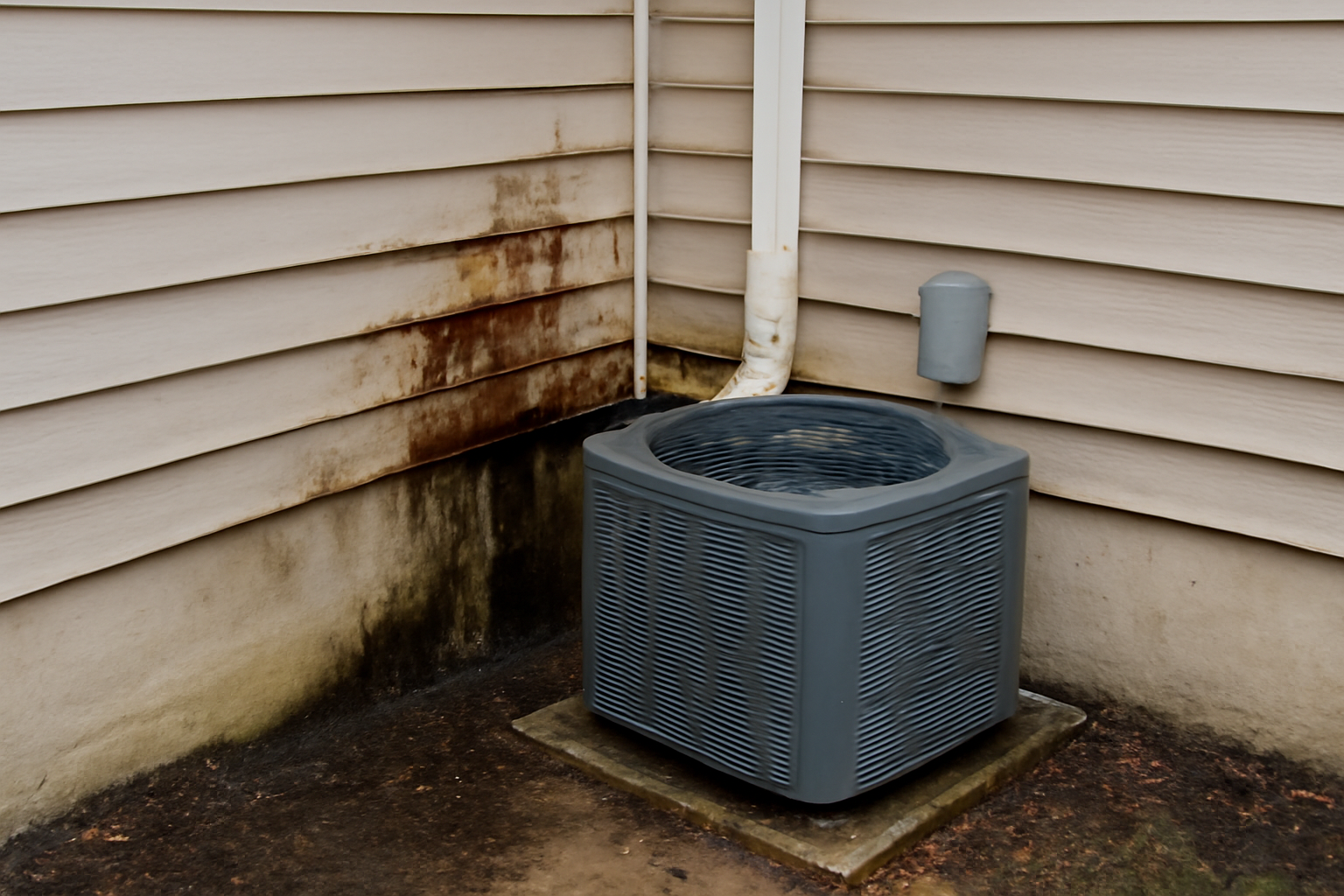
Warning Signs You Need HVAC Leak Water Removal
The longer you wait to address a water damage issue, the more costly and difficult it becomes to repair. Catching these warning signs early can save you thousands of dollars and prevent bigger problems from developing.
Musty Odors That Won't Go Away
Strong, unpleasant odors in your home can show the presence of mold and mildew. These can be caused by water damage, poor ventilation, or inadequate cleaning. If you notice persistent musty smells, it's essential to investigate the source and take action to prevent further damage.
Water Stains on Your Ceilings or Walls
Water stains on your ceilings or walls can be a sign of a more significant problem, such as a leaky roof or a faulty HVAC system. Ignoring these stains can lead to costly repairs and even compromise the structural integrity of your home.
Warped or Buckled Flooring
Warped or buckled flooring can be a sign of water damage, which can be caused by a variety of factors, including leaks, flooding, or poor drainage. If you notice unusual warping or buckling, it's essential to investigate the cause and take action to prevent further damage.
Unusual Sounds or Leaks from Your HVAC System
Unusual sounds or leaks from your HVAC system can be a sign of a more significant problem, such as a faulty compressor or a refrigerant leak. Ignoring these issues can lead to costly repairs and even compromise the safety of your home.
Visible Signs of Water Damage
Visible signs of water damage, such as water pooling or standing water, can be a sign of a more significant problem, such as a leaky roof or a faulty HVAC system. If you notice visible signs of water damage, it's essential to investigate the cause and take action to prevent further damage.
Musty Smells in Your Attic or Basement
Musty smells in your attic or basement can be a sign of water damage, which can be caused by a variety of factors, including leaks, flooding, or poor ventilation. If you notice musty smells, it's essential to investigate the source and take action to prevent further damage.
HVAC Leak Water Removal vs. DIY: When To Call a Professional
| Situation | DIY? | Call a Pro? | Why |
|---|---|---|---|
| You notice a small leak from your HVAC system and want to fix it yourself. | Yes | No | Small leaks are often easy to fix and can be done with basic tools and knowledge. |
| You notice a large amount of water damage from your HVAC system and want to clean it up yourself. | No | Yes | Large amounts of water damage need specialized equipment and expertise to ensure thorough drying and to prevent mold growth. |
| You're unsure about the extent of the damage and want a professional assessment. | No | Yes | A professional assessment can help identify potential issues and provide a comprehensive plan for restoration. |
| You're dealing with a emergency situation, such as a burst pipe or a flood. | No | Yes | Emergency situations need immediate attention and specialized equipment to prevent further damage and ensure your safety. |
| You're looking to save money and want to try to fix the issue yourself. | No | Yes | While DIY solutions may seem cost-effective, they can often lead to more costly repairs down the line and compromise the safety of your home. |
| You're unsure about the best course of action and want professional guidance. | No | Yes | A professional can provide expert guidance and help you make informed decisions about your home and your budget. |
Don't risk your home and your wallet by trying to fix water damage on your own. Contact us today to schedule a free assessment and let our expert team take care of the rest.
HVAC Leak Water Removal Cost In Chapel Hill, NC
The cost of HVAC leak water removal can vary depending on the severity of the damage, the size of the affected area, and local conditions in Chapel Hill, NC. These estimates are based on industry standards and may vary depending on your specific situation.
| Service | Typical Price Range | What Affects Cost |
|---|---|---|
| Water Extraction | $500 - $2,500 | The amount of water to be extracted, the size of the affected area, and the type of equipment needed. |
| Drying and Dehumidification | $1,000 - $5,000 | The size of the affected area, the type of equipment needed, and the duration of the drying process. |
| Repair and Restoration | $2,000 - $10,000 | The extent of the damage, the materials needed, and the labor required to restore your home to its original condition. |
| Disinfecting and Sanitizing | $500 - $2,000 | The size of the affected area, the type of equipment needed, and the level of contamination present. |
| Moisture Control | $1,000 - $5,000 | The size of the affected area, the type of equipment needed, and the duration of the moisture control process. |
Exact pricing depends on an on-site assessment and a comprehensive plan for restoration. Contact us today to schedule a free assessment and let our expert team provide you with a detailed estimate.
Service Areas Near Chapel Hill, NC
Durham, NC, Raleigh, NC, Cary, NC, Morrisville, NC, Research Triangle Park, NC, Chapel Hill, NC, Carrboro, NC, Hillsborough, NC, Mebane, NC, Graham, NC, Siler City, NC, Pittsboro, NC, Sanford, NC, and surrounding communities.
Common Questions About HVAC Leak Water Removal
Q: What causes HVAC leak water removal?
A: HVAC leaks can be caused by a variety of factors, including clogged condenser coils, refrigerant leaks, and faulty compressors. If you notice unusual sounds or leaks from your HVAC system, it's essential to investigate the cause and take action to prevent further damage.
Q: Is HVAC leak water removal covered by insurance?
A: In some cases, HVAC leak water removal may be covered by insurance. But, the extent of coverage depends on your policy and the circumstances surrounding the damage. It's essential to contact your insurance provider to find out what is covered and what is not.
Q: How long does HVAC leak water removal take?
A: The length of time it takes to complete HVAC leak water removal depends on the severity of the damage, the size of the affected area, and the type of equipment needed. In general, our team can complete the process within 3-5 days, depending on the specific circumstances.
Q: Is HVAC leak water removal a health risk?
A: Yes, HVAC leak water removal can pose health risks if not handled properly. If you notice musty smells, water stains, or warping floors, it's essential to investigate the cause and take action to prevent further damage and potential health risks.
Q: Can I prevent HVAC leak water removal?
A: Yes, you can take steps to prevent HVAC leak water removal. Regular maintenance, including cleaning and inspecting your HVAC system, can help identify potential issues before they become major problems. Also, ensuring proper ventilation and drainage can help reduce the risk of water damage.
Check Our Other Relevant Services
Serving Chapel Hill, NC And Nearby Areas



