ZIP 27312 · Pittsboro, NC · Chatham County
Emergency Damage Restoration in 27312Flood Damage Cleanup & Structural Drying Services
Emergency Damage Restoration in Pittsboro covers emergency water extraction, flood damage cleanup and structural drying services.
Answered 24/7
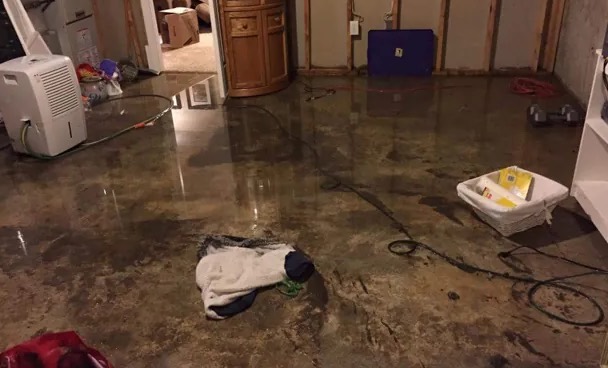
Local Emergency Damage Restoration Solutions in 27312
A fire in Pittsboro leaves water damage behind as well. Firefighters may use a lot of water, and it soaks ceilings, walls and floors well beyond the burned area.
In Pittsboro, emergency water calls come at all hours, often after storms or plumbing failures. Local emergency damage restoration pros serve Pittsboro, Moncure, Cumnock and Bonsal, from water removal to drying and repairs.
Detailed Emergency Damage Restoration Offerings in 27312
Flood Damage Cleanup
Floodwater from outside is pumped out, mud and debris are cleared and soaked porous materials are removed before drying begins.
Structural Drying Services
Structural drying targets the materials water soaked into, using directed airflow into wall cavities and under flooring.
Mold Remediation Services
Materials with mold after a leak are removed in a contained area, and the framing is cleaned and dried before rebuilding.
Storm Damage Repair
Storm damage is photographed before and during cleanup, which helps with the insurance claim and repair planning.
Firefighting Water Cleanup
The water side of a fire loss is handled once the building is safe: wet debris is removed, water extracted and structural drying begins.
How to Know You Need Emergency Damage Restoration in 27312
Peeling Paint or Blistering Wallpaper
Paint that peels or wallpaper that blisters usually has water behind it.
Gaps or Damage After a Storm
Missing shingles, broken windows or other storm damage can let rain into the building during the next storm.
Water Damage After a Fire
Wet ceilings, walls and floors in rooms around a fire need extraction and drying even if they did not burn.
Warped or Buckling Flooring
Flooring that cups, buckles or lifts at the seams has water trapped underneath it.
How Emergency Damage Restoration Works in 27312
Step 1: On-Scene Evaluation and Triage
The most urgent areas, such as sagging ceilings or water near outlets, are handled first.
Step 2: Water Removal
Standing water is pumped out, and soaked carpet pad and drywall are removed where needed.
Step 3: Dehumidification and Moisture Control
Dehumidifiers bring humidity down while air movers keep dry air moving across wet surfaces.
Step 4: Contents Cleaning
Belongings are cleaned, dried or listed, and the space is readied for repairs.
Leading Causes of Emergency Damage in 27312
Chronic Moisture and Condensation
Ongoing condensation and humidity slowly damage walls, ceilings and framing over time.
Roof Leaks From Storm Damage
Storm-damaged roofs let rain pour into attics, ceilings and the rooms below.
Foundation Cracks and Seepage
Foundation cracks let groundwater seep into lower levels and finished rooms after heavy rain.
Sewer Line Blockages or Failures
Blocked or broken sewer lines push wastewater up into floor drains, tubs and toilets.
Emergency Damage Restoration for Homes and Businesses in 27312
Residential Emergency Damage Restoration
In homes, emergencies usually start with a burst pipe, a storm leak or a sewer backup. Water is extracted, belongings protected and the house dried so the family can return to normal.
Commercial Emergency Damage Restoration
In businesses, water emergencies can close the doors. Extraction and drying are planned to reopen parts of the space as soon as it is safe.
Professional Emergency Damage Restoration or DIY Repair in 27312
A small spill on a hard floor can be mopped and dried with a fan. Water in carpet pad, walls or subfloors needs extraction and drying equipment.
Estimating Your Emergency Damage Restoration Investment in 27312
The cost of emergency damage restoration in Pittsboro depends on how much water there is, what type it is and how many rooms and materials it reached.
Access Complexity
Multi-story buildings, crawl spaces and attics take more time to reach and work in.
Water Category
Clean water costs less to handle than sewage or floodwater, which needs disinfection and more removal.
Equipment Needs
The number of pumps, extractors, air movers and dehumidifiers needed affects the total cost.
Does Insurance Cover Emergency Damage Restoration?
Photograph the water, the source and damaged belongings before cleanup starts, and keep receipts for emergency extraction, tarping and any hotel stay.
Advantages of Hiring Local Pros in 27312 for Emergency Damage Restoration
24/7 Emergency Response
Help is available day or night, because water emergencies cannot wait for business hours.
Damage Assessment
The whole affected area is checked, including rooms next to and below the source.
Industry Methods
Extraction and drying follow industry water damage standards, with readings at every visit.
Round-the-Clock Emergency Damage Restoration in 27312
Every hour water sits, the damage grows. Call (919) 635-9415 for emergency damage restoration in Pittsboro at any time, including nights and holidays.
Call Now (919) 635-9415Emergency Damage Restoration Near 27312: Areas Served
Help with emergency damage restoration reaches Moncure, Cumnock and Bonsal, plus other communities around Pittsboro, for houses, apartments and commercial buildings.
Your Emergency Damage Restoration Questions Addressed
What belongings can be cleaned and restored after water damage?
Hard items and solid wood often can. Soft items soaked by sewage or floodwater usually cannot.
How long do structural drying services take?
Often several days, depending on the materials, how long they were wet and how much water there was.
What happens during the structural drying phase?
Air movers and dehumidifiers run continuously, and readings are taken daily until materials are dry.
Why is quick action so important for water damage?
Materials soak up more water every hour, and mold becomes more likely after a day or two.
When is removal of mold needed after water damage?
When materials stayed wet long enough for mold to appear. Fast drying usually prevents it.