Raleigh, NC · Wake County
Basement Water Removal in Raleigh, NCBasement Floor Water Damage & Sump Pump Failure Water Cleanup
Basement Water Removal in Raleigh covers basement water pump out, basement wall drying and basement dehumidification after a flood.
Answered 24/7
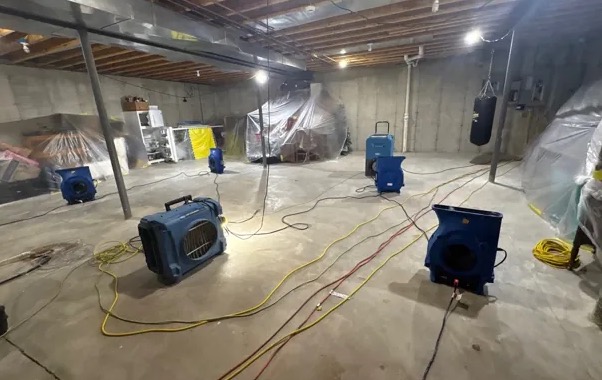
Professional Basement Water Removal in Raleigh, NC
A wet basement gets worse every hour the water stays. In Raleigh, water on a basement floor wicks up drywall, soaks carpet pad and seeps into the concrete, and cool below-grade air keeps it from drying on its own.
A finished basement or lower level in Raleigh or Garner, Cary and Knightdale can hide water under flooring and behind drywall. The pros find and remove it before it causes lasting damage.
Professional Basement Water Removal Offerings
Basement Floor Water Damage
Concrete floors are squeegeed, extracted and dried with airflow and dehumidifiers until moisture readings drop.
Sump Pump Failure Water Cleanup
When a sump pump stops, groundwater spreads across the floor. The water is pumped out and the floor and lower walls are extracted.
Basement Dehumidification
Dehumidifiers run continuously during drying, and their output is checked to track how much water is still coming out of the materials.
Basement Moisture Inspection
Readings are recorded at each visit, giving you and your insurer a clear record of the drying.
Emergency Basement Flooding
Help is available any hour when water is rising in the basement from a storm, a sewer backup or a burst pipe.
Signs of Basement Water Damage in Raleigh
Sump Pump Failure or Overflow
A sump pit that is full, overflowing or has a pump that will not start means water is about to spread.
Water Stains on Walls or Ceiling
Stains on lower walls or the ceiling below a bathroom or kitchen point to a leak.
Mold or Mildew
Dark spots on drywall, framing or stored items mean the area has stayed wet for days.
Standing Water in Basement
Standing water anywhere on the basement floor needs to be pumped out before it soaks the walls.
How Basement Water Removal Works in Raleigh
Step 1: Emergency Water Extraction
Power is made safe, then pumps and extractors remove standing water from the basement floor.
Step 2: Detailed Moisture Inspection
Meters map wet walls, framing and slab areas, including behind finished walls and under flooring.
Step 3: Drying and Dehumidification
Air movers and large dehumidifiers run continuously, with readings checked every day.
Step 4: Final Verification and Monitoring
Readings are compared to dry areas, and equipment is removed only when the basement tests dry.
Common Causes of Basement Flooding in Raleigh
Improper Landscape Grading
Soil that slopes toward the house directs rainwater straight to the basement walls.
High Water Table and Hydrostatic Pressure
A high water table presses groundwater against the slab and walls, forcing it inside.
Clogged or Damaged Gutters
Clogged gutters and short downspouts dump roof water right next to the foundation.
Foundation Cracks and Seepage
Cracks in foundation walls and the slab let groundwater seep in during wet weather.
Professional Basement Water Removal for All Properties
Residential Basement Water Removal
Older homes with a basement may see seepage with every heavy storm. Water removal handles the current damage, and the entry point is noted for a waterproofing contractor.
Commercial Basement Water Removal
Multi-unit buildings with shared basements need each storage and laundry area pumped, dried and documented for the property manager.
The Risks of DIY Basement Water Removal
You can move belongings up off the floor and run the dehumidifier you already own. Drying soaked walls and slab needs larger equipment and readings to confirm the job is done.
Understanding Basement Water Removal Pricing
In Raleigh, the drying phase usually costs more than the pumping, because basements need equipment running for several days.
Water Depth and Volume
Deeper water takes more pumping time and usually means more materials got wet.
Basement Square Footage
Larger basements need more extraction, more drying equipment and more days of drying.
Affected Materials
Finished walls, carpet and laminate take more removal work than bare concrete.
Does Insurance Cover Basement Water Removal?
Flooding from outside water usually needs separate flood insurance. Water from a broken pipe or appliance inside is more often covered.
The Value of Professional Basement Water Removal
Moisture Inspection
Meters and thermal cameras find water in walls, floors and slab that looks dry.
Detailed Damage Documentation
Photos, readings and drying logs are kept to support your insurance claim.
Focus on Drying Outcomes
Drying continues until readings are normal, not just until surfaces look dry.
24/7 Emergency Basement Water Removal in Raleigh
If water is near outlets, the furnace or the electrical panel, stay out of it. Call (919) 635-9415 for help in Raleigh and wait for power to be made safe.
Call Now (919) 635-9415Local Basement Water Removal Coverage for Garner, Cary and Knightdale
Need basement water removal outside Raleigh? Service also covers Garner, Cary and Knightdale, including emergency help during storms.
- Basement Water Removal in Garner
- Basement Water Removal in Cary
- Basement Water Removal in Knightdale
- Basement Water Removal in Morrisville
- Basement Water Removal in Apex
- Basement Water Removal in Rolesville
- Basement Water Removal in Wendell
- Basement Water Removal in Holly Springs
- Emergency Damage Restoration in 27601
- Storm Damage Restoration in 27601
- Water Damage Restoration in 27601
- Water Extraction Service in 27601
- Water Leak Detection in 27601
- Water Removal Service in 27601
- Emergency Damage Restoration in 27602
- Storm Damage Restoration in 27602
Basement Water Removal FAQs
What is involved in basement water removal?
Making power safe, pumping out standing water, extracting floors and carpet, removing soaked materials and dehumidifying until dry.
How long does basement drying take?
Often several days or longer, because concrete and cool basement air hold moisture. Daily readings show when it is done.
How does a basement moisture inspection work?
Moisture meters and thermal cameras check walls, floors and the slab, including behind finished walls and under flooring.
What is involved in basement leak cleanup?
Stopping the leak, extracting the water, drying the floor and walls and checking for hidden moisture under flooring.
What equipment is used for basement water extraction?
Submersible pumps, extractors, wet vacs, air movers, large dehumidifiers and moisture meters to confirm drying.