Greensboro, NC · Guilford County
Basement Water Removal in Greensboro, NCBasement Floor Water Damage & Emergency Basement Flooding
After a burst pipe or storm, Basement Water Removal in Greensboro means basement water pump out, basement wall drying and basement drying services.
Answered 24/7
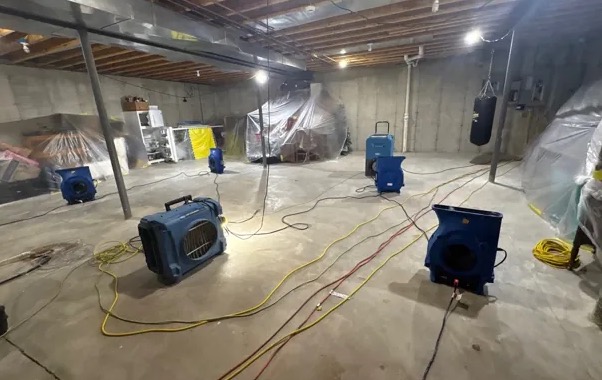
Professional Basement Water Removal in Greensboro, NC
Basement Water Removal in Greensboro starts with safety. Water near the furnace, water heater or electrical panel can be dangerous, so power is made safe before anyone steps into it.
A finished basement or lower level in Greensboro or Gibsonville, High Point and Archdale can hide water under flooring and behind drywall. The pros find and remove it before it causes lasting damage.
Professional Basement Water Removal Offerings
Basement Floor Water Damage
Flooring that buckled or swelled is removed. Tile and sealed concrete can often be cleaned and dried in place.
Emergency Basement Flooding
A flooded basement threatens the furnace, water heater and anything stored on the floor. Fast pumping protects what can still be saved.
Basement Dehumidification
Dehumidifiers run continuously during drying, and their output is checked to track how much water is still coming out of the materials.
Basement Drying Services
Equipment stays until the basement reads dry, not just until it looks dry. Removing it early lets dampness return.
Basement Wall Drying
Opening the bottom of finished walls lets air reach the studs and sill plate, which otherwise stay wet behind the drywall.
Indicators You Need Professional Water Removal
Water Stains on Walls or Ceiling
Stains on lower walls or the ceiling below a bathroom or kitchen point to a leak.
Standing Water in Basement
Standing water anywhere on the basement floor needs to be pumped out before it soaks the walls.
Soggy or Wet Carpeting
Carpet that feels damp or smells sour is holding water in the pad against the concrete.
Sump Pump Failure or Overflow
A sump pit that is full, overflowing or has a pump that will not start means water is about to spread.
How Basement Water Removal Works in Greensboro
Step 1: Emergency Water Extraction
Power is made safe, then pumps and extractors remove standing water from the basement floor.
Step 2: Detailed Moisture Inspection
Meters map wet walls, framing and slab areas, including behind finished walls and under flooring.
Step 3: Drying and Dehumidification
Air movers and large dehumidifiers run continuously, with readings checked every day.
Step 4: Final Verification and Monitoring
Readings are compared to dry areas, and equipment is removed only when the basement tests dry.
Why Basements Flood in Greensboro
Plumbing Leaks or Pipe Bursts
Supply lines, drain pipes and water heaters in the basement can leak or burst onto the floor.
Improper Landscape Grading
Soil that slopes toward the house directs rainwater straight to the basement walls.
Clogged or Damaged Gutters
Clogged gutters and short downspouts dump roof water right next to the foundation.
Window Well Leaks and Drainage
Window wells without drains or covers fill with rain and leak through the windows.
Both Residential & Commercial Basement Water Removal
Residential Basement Water Removal
In homes, a wet basement often means damaged carpet, drywall and stored belongings, plus a furnace or water heater sitting in water. Water is pumped out and the space dried.
Commercial Basement Water Removal
In commercial buildings, basements often house mechanical rooms and storage. Water is removed so systems can be checked to determine whether they can be restarted safely.
Why DIY Basement Water Removal Often Fails in Greensboro
Do not step into basement water if cords, outlets or appliances are in it. Shut off power at the panel only if you can reach it from a dry spot, then call (919) 635-9415.
Investing in Professional Basement Water Removal
The cost of basement water removal in Greensboro depends on how deep the water is, what type of water it is and how much finished material has to come out.
Water Depth and Volume
Deeper water takes more pumping time and usually means more materials got wet.
Affected Materials
Finished walls, carpet and laminate take more removal work than bare concrete.
Time of Service
Night, weekend and storm calls can cost more than a scheduled weekday visit.
Does Insurance Cover Basement Water Removal?
Flooding from outside water usually needs separate flood insurance. Water from a broken pipe or appliance inside is more often covered.
Benefits of Hiring Local Pros for Basement Water Removal in Greensboro
Industry Drying Standards
Water removal and drying follow industry water damage standards, with readings at every visit.
Methodical Water Removal Process
Water is removed in a set order: pump-out, extraction, removal of soaked materials, then drying.
Post-Service Moisture Verification
Final readings are recorded before equipment leaves, so you know the basement is dry.
Emergency Basement Water Removal Available 24/7
Standing water in a basement soaks walls and floors by the hour. Call (919) 635-9415 for basement water removal in Greensboro at any time, day or night.
Call Now (919) 635-9415Local Basement Water Removal Coverage for Gibsonville, High Point and Archdale
Basement water removal also covers homes and buildings in Gibsonville, High Point and Archdale, close to Greensboro, day or night.
- Basement Water Removal in Gibsonville
- Basement Water Removal in High Point
- Basement Water Removal in Archdale
- Basement Water Removal in Kernersville
- Basement Water Removal in Elon
- Basement Water Removal in Randleman
- Basement Water Removal in Liberty
- Basement Water Removal in Burlington
- Emergency Damage Restoration in 27401
- Storm Damage Restoration in 27401
- Water Damage Restoration in 27401
- Water Extraction Service in 27401
- Water Leak Detection in 27401
- Water Removal Service in 27401
- Emergency Damage Restoration in 27402
- Storm Damage Restoration in 27402
Common Basement Water Removal Questions Answered
Can wet drywall in a basement be saved?
Sometimes, if the water was clean and removed quickly. Soaked or contaminated drywall is cut out above the water line.
Can I dry my basement myself with fans?
Fans help with surface water, but walls and concrete need dehumidifiers and readings to dry fully.
How does a basement moisture inspection work?
Moisture meters and thermal cameras check walls, floors and the slab, including behind finished walls and under flooring.
What is involved in basement water removal?
Making power safe, pumping out standing water, extracting floors and carpet, removing soaked materials and dehumidifying until dry.
Why is basement dehumidification important after pumping?
Walls and concrete keep releasing moisture for days. Dehumidifiers remove it so the basement does not stay damp.