Greensboro, NC · Guilford County
Basement Water Damage Restoration in Greensboro, NCBasement Mold Prevention & Basement Water Extraction
Basement Water Damage Restoration in Greensboro includes emergency basement flood cleanup, basement sewer backup cleanup and basement wall drying.
Answered 24/7
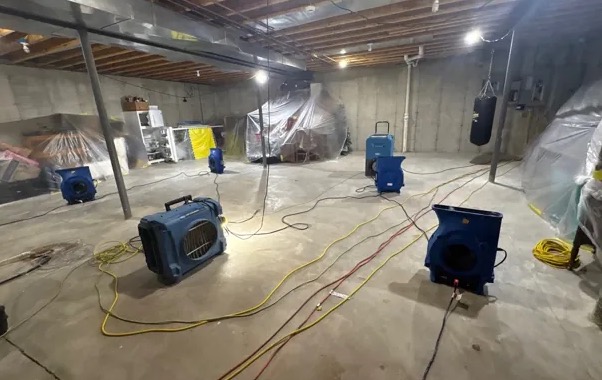
Expert Basement Water Damage Restoration Serving Greensboro
Basements collect water from every direction: rain seeping through walls, groundwater pushing up through the slab, sewage backing up through floor drains and pipes bursting overhead. In a Greensboro home with a basement or below-grade room, any of these can leave inches of water on the floor.
One burst pipe or heavy storm in Greensboro can flood a basement. Local water removal pros serve Greensboro and nearby Gibsonville, High Point and Archdale, with help available around the clock.
Basement Water Damage Restoration Solutions Available in Greensboro
Basement Mold Prevention
Fast extraction and drying are the main ways to limit microbial growth in a basement. Surfaces that stayed wet can be treated once dry.
Basement Water Extraction
Basement water is removed before drying starts, because every gallon left behind keeps the walls and air damp.
Basement Floor Water Removal
Wet carpet pad is removed from basement floors, since it holds water against the concrete and dries poorly.
Basement Wall Drying
Finished basement walls hide wet insulation and framing. Removing the bottom of the drywall lets air reach the cavity.
Basement Dehumidification
Large dehumidifiers pull moisture from the basement air so walls, framing and the slab can release their water.
Warning Signs You Need Basement Water Damage Restoration
Peeling Paint or Wallpaper
Paint that peels or blisters on basement walls often has moisture behind it.
Standing Water in the Basement
Any standing water on the basement floor needs pumping right away, before it soaks walls and framing.
Wet or Stained Basement Walls
Dark, wet patches or tide lines on basement walls show where water seeped in or wicked up.
Efflorescence on Concrete Walls
White, chalky deposits on concrete walls mean water is moving through the concrete and leaving minerals behind.
How Basement Water Damage Restoration Works in Greensboro
Step 1: Floodwater Pump-Out
Submersible pumps remove deep water, and electrical hazards are checked before anyone walks in it.
Step 2: Deep Moisture Extraction
Extractors pull water from carpet, pad and the concrete floor after the deep water is gone.
Step 3: Air Circulation and Drying
Air movers keep dry air moving across walls and floors throughout the basement.
Step 4: Dehumidification and Verification
Dehumidifiers run until humidity and material readings confirm the basement is dry.
Common Causes of Water Damage in Greensboro
Plumbing Pipe Bursts or Leaks
Supply lines and drain pipes in basement ceilings can crack or burst onto the floor below.
High Water Table and Hydrostatic Pressure
A high water table pushes groundwater up through the slab and into the joints between wall and floor.
Clogged Floor Drains
A floor drain blocked by debris cannot carry off water from a leak or overflow, so it spreads across the basement floor.
Faulty Basement Waterproofing
Old or failed waterproofing on foundation walls lets water through during wet weather.
Home and Business Basement Water Damage Restoration in Greensboro
Residential Basement Water Damage Restoration
Homeowners with older basements may have seepage that returns with each storm. Drying fixes the current damage, and the source is noted for a waterproofing contractor.
Commercial Basement Water Damage Restoration
Apartment and condo buildings with shared basements or lower levels may have laundry and storage below grade. Each area is extracted, dried and recorded for the building manager.
DIY vs. Professional Basement Water Damage Restoration in Greensboro
Keeping gutters and downspouts clear and checking water heater and washer hoses are good DIY steps before storm season. Once water is on the floor, call (919) 635-9415.
Basement Water Damage Restoration Cost in Greensboro, NC
The cost of basement water damage restoration in Greensboro depends on how much water there is, whether it is clean or sewage and how much finished material must be removed.
Affected Square Footage
Larger basements need more extraction, more drying equipment and more days of drying time.
Emergency Service
Night, weekend and storm calls can cost more than a scheduled visit.
Drying Time Required
Basements dry slowly, and longer drying means more equipment days and monitoring visits.
Does Insurance Cover Basement Water Damage Restoration?
Many homeowner policies cover sudden basement water from a burst pipe, but not seepage or groundwater. Sewer backup coverage is often a separate add-on, so check your policy.
Reasons to Hire Local Pros for Basement Water Damage Restoration in Greensboro
Detailed Documentation
Photos, readings and drying logs are kept to support your insurance claim.
Water Type Handling
Clean water, gray water and sewage are each handled with the right protection and removal steps.
Water Extraction First
Water is removed from floors, carpet and pad before drying starts, which shortens drying time.
24/7 Emergency Basement Water Damage Restoration in Greensboro
Water rising in your basement in Greensboro? Shut off power to the basement if it is safe, move what you can and call (919) 635-9415. Help is available 24/7.
Call Now (919) 635-9415Basement Water Damage Restoration Near Greensboro: Areas Served
Nearby areas served for basement water damage restoration include Gibsonville, High Point and Archdale, with the same pumping and drying steps used in Greensboro.
- Basement Water Damage Restoration in Gibsonville
- Basement Water Damage Restoration in High Point
- Basement Water Damage Restoration in Archdale
- Basement Water Damage Restoration in Kernersville
- Basement Water Damage Restoration in Elon
- Basement Water Damage Restoration in Randleman
- Basement Water Damage Restoration in Liberty
- Basement Water Damage Restoration in Burlington
- Emergency Damage Restoration in 27401
- Storm Damage Restoration in 27401
- Water Damage Restoration in 27401
- Water Extraction Service in 27401
- Water Leak Detection in 27401
- Water Removal Service in 27401
- Emergency Damage Restoration in 27402
- Storm Damage Restoration in 27402
Your Basement Water Damage Restoration Questions Addressed
What health risks come with delayed basement flood cleanup?
Standing water and wet materials can support bacteria and microbial growth, and sewage carries contaminants that need disinfection.
Can wet basement drywall be saved after water damage?
Sometimes, if the water was clean and removed quickly. Soaked or sewage-contaminated drywall is cut out above the water line.
Why is quick action important for below-grade flood restoration?
Basements dry slowly, so every hour of standing water adds days of drying and more material to replace.
What is involved in basement water damage restoration?
Pumping out water, removing soaked materials, cleaning contaminated areas, drying walls, framing and concrete, and dehumidifying until readings are normal.
How long does below-grade drying take after a flood?
Often several days or longer, since concrete and cool basement air dry slowly. Daily readings show progress.