Chapel Hill, NC · Orange County
Basement Water Damage Restoration in Chapel Hill, NCBasement Dehumidification & Basement Water Extraction
Basement Water Damage Restoration in Chapel Hill runs from basement water extraction and basement floor water removal to basement dehumidification.
Answered 24/7
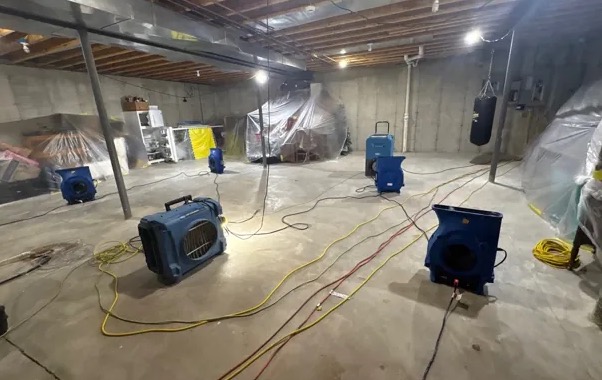
Local Basement Water Damage Restoration Near Chapel Hill
A basement dries slower than any other part of a house. The air is cool, there is little sunlight and the concrete holds moisture for a long time. In Chapel Hill, that makes extraction and steady dehumidification important.
One burst pipe or heavy storm in Chapel Hill can flood a basement. Local water removal pros serve Chapel Hill and nearby Carrboro, Hillsborough and Morrisville, with help available around the clock.
Professional Basement Water Damage Restoration Offered in Chapel Hill
Basement Dehumidification
Dehumidification continues until humidity and material readings are normal. Turning it off too early lets moisture return.
Basement Water Extraction
Submersible pumps remove deep standing water, then portable extractors pull water from carpet, pad and the concrete floor.
Basement Drying Services
Drying a basement takes longer than drying an upper floor because the air is cool and the concrete holds moisture.
Basement Mold Prevention
Keeping basement humidity low after drying helps prevent mold from returning, especially in finished spaces.
Basement Wall Drying
Finished basement walls hide wet insulation and framing. Removing the bottom of the drywall lets air reach the cavity.
Indicators for Basement Water Damage Restoration in Chapel Hill
Damp or Musty Odors
A damp, earthy or musty smell in the basement often means hidden moisture in walls, carpet or the slab.
Mold on Surfaces
Dark spots on drywall, framing or stored boxes mean the area has stayed wet for days.
Wet or Stained Basement Walls
Dark, wet patches or tide lines on basement walls show where water seeped in or wicked up.
Standing Water in the Basement
Any standing water on the basement floor needs pumping right away, before it soaks walls and framing.
How Basement Water Damage Restoration Works in Chapel Hill
Step 1: Initial Assessment and Water Removal
The source and type of water are identified, and standing water is removed right away.
Step 2: Focused Drying of Materials
Walls, framing and the slab are dried with directed airflow, with wet insulation removed.
Step 3: Air Quality Management
Air scrubbers filter dust and odors from removal work while drying continues.
Step 4: Documentation for Restoration
Photos, readings and a list of removed materials are prepared for insurance and rebuilding.
Frequent Sources of Water Damage in Chapel Hill
Window Well Flooding
Window wells without drains or covers fill with rain and leak through basement windows.
Sewer Line Backups
A blocked or overloaded sewer line pushes wastewater up through basement drains and toilets.
Clogged Floor Drains
A floor drain blocked by debris cannot carry off water from a leak or overflow, so it spreads across the basement floor.
Failed or Clogged Drain Tile
Clogged or collapsed drain tile around the foundation lets water build up against the walls.
Basement Water Damage Restoration for Homes and Businesses in Chapel Hill
Residential Basement Water Damage Restoration
Homeowners with older basements may have seepage that returns with each storm. Drying fixes the current damage, and the source is noted for a waterproofing contractor.
Commercial Basement Water Damage Restoration
Apartment and condo buildings with shared basements or lower levels may have laundry and storage below grade. Each area is extracted, dried and recorded for the building manager.
Professional Basement Water Damage Restoration or DIY in Chapel Hill?
Do not walk into standing basement water if outlets, cords or appliances are submerged. Shut off power at the panel if you can reach it safely, then call (919) 635-9415.
Basement Water Damage Restoration Cost in Chapel Hill, NC
A basement pumped and dried right away in Chapel Hill usually costs less than one left wet for days, when more drywall and flooring are lost.
Material Saturation
Finished basements with carpet, drywall and insulation take more removal work than bare concrete.
Secondary Damage
Damage to furnaces, water heaters and belongings adds repair and replacement costs.
Water Category
Clean water costs less to handle than sewage, which needs protective gear, removal and disinfection.
Does Insurance Cover Basement Water Damage Restoration?
Photos, moisture readings and drying logs from local water removal pros help support an insurance claim for basement water damage in Chapel Hill.
Reasons to Hire Local Pros for Basement Water Damage Restoration in Chapel Hill
Containment Strategies
Plastic sheeting keeps contaminated areas separate from clean parts of the house.
Industrial-Grade Equipment
Pumps, extractors and large dehumidifiers remove water much faster than household wet vacs and fans.
Detailed Documentation
Photos, readings and drying logs are kept to support your insurance claim.
24/7 Emergency Basement Water Damage Restoration in Chapel Hill
Every hour of standing water in a basement means more drywall and flooring to replace. Call (919) 635-9415 for basement water damage restoration in Chapel Hill.
Call Now (919) 635-9415Basement Water Damage Restoration Near Chapel Hill: Areas Served
Help with basement water damage restoration reaches Carrboro, Hillsborough and Morrisville, plus other communities around Chapel Hill, for finished and unfinished basements alike.
- Basement Water Damage Restoration in Carrboro
- Basement Water Damage Restoration in Hillsborough
- Basement Water Damage Restoration in Morrisville
- Basement Water Damage Restoration in Pittsboro
- Basement Water Damage Restoration in Apex
- Basement Water Damage Restoration in Mebane
- Basement Water Damage Restoration in Cary
- Basement Water Damage Restoration in Graham
- Emergency Damage Restoration in 27514
- Storm Damage Restoration in 27514
- Water Damage Restoration in 27514
- Water Extraction Service in 27514
- Water Leak Detection in 27514
- Water Removal Service in 27514
- Emergency Damage Restoration in 27515
- Storm Damage Restoration in 27515
Your Basement Water Damage Restoration Questions Addressed
Does basement mold prevention need special steps after flooding?
Fast drying is the main step. Wood and concrete that stayed wet can be treated with an antimicrobial once dry.
Why is quick action important for below-grade flood restoration?
Basements dry slowly, so every hour of standing water adds days of drying and more material to replace.
Why is dehumidification so important after basement water removal?
Basements hold moisture in the air and concrete. Without dehumidifiers, walls and framing stay damp long after the water is gone.
What does below-grade moisture removal include beyond pumping?
Extracting carpet and pad, opening wet walls, running air movers and dehumidifiers, and checking readings until dry.
Should I try below-grade waterproofing myself after flooding?
Sealing a small crack can be a DIY job, but drying must come first, and larger waterproofing work should go to a contractor.