Brickhaven, NC · Chatham County
Basement Water Damage Restoration in Brickhaven, NCBasement Wall Drying & Basement Drying Services
Basement Water Damage Restoration in Brickhaven runs from basement water extraction and basement floor water removal to basement dehumidification.
Answered 24/7
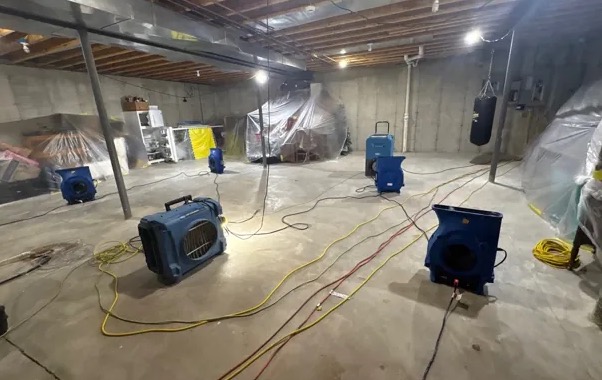
Professional Basement Water Damage Restoration in Brickhaven, NC
Basement Water Damage Restoration in Brickhaven usually involves two parts: the emergency work of removing water and the slower work of drying a below-grade space. Both matter for keeping repairs small.
Homes in Brickhaven and nearby Corinth, Moncure and Bonsal with basements deal with seepage, plumbing leaks and sewer backups. Help with basement water damage restoration covers pumping, removal of wet materials and drying of walls and concrete.
Basement Water Damage Restoration Services in Brickhaven
Basement Wall Drying
Finished basement walls hide wet insulation and framing. Removing the bottom of the drywall lets air reach the cavity.
Basement Drying Services
Air movers and dehumidifiers are placed to dry walls, framing and the slab. Below-grade rooms dry slowly, so readings are taken daily.
Basement Sewer Backup Cleanup
Sewage that backs up through a floor drain or toilet is extracted with protective gear, and the area is contained from the rest of the house.
Basement Dehumidification
Dehumidification continues until humidity and material readings are normal. Turning it off too early lets moisture return.
Basement Floor Water Removal
A slab can look dry on top while still holding water. Moisture readings show when it is ready for new flooring.
Indicators for Basement Water Damage Restoration in Brickhaven
Standing Water in the Basement
Any standing water on the basement floor needs pumping right away, before it soaks walls and framing.
Damp or Musty Odors
A damp, earthy or musty smell in the basement often means hidden moisture in walls, carpet or the slab.
Condensation on Windows or Pipes
Water beading on cold pipes or basement windows shows high humidity that keeps materials damp.
Mold on Surfaces
Dark spots on drywall, framing or stored boxes mean the area has stayed wet for days.
How Basement Water Damage Restoration Works in Brickhaven
Step 1: Initial Assessment and Water Removal
The source and type of water are identified, and standing water is removed right away.
Step 2: Focused Drying of Materials
Walls, framing and the slab are dried with directed airflow, with wet insulation removed.
Step 3: Air Quality Management
Air scrubbers filter dust and odors from removal work while drying continues.
Step 4: Documentation for Restoration
Photos, readings and a list of removed materials are prepared for insurance and rebuilding.
Why Basement Water Damage Occurs in Brickhaven
Water Heater or Appliance Leaks
Water heaters, washers and utility sinks in the basement can leak or fail without warning.
Plumbing Pipe Bursts or Leaks
Supply lines and drain pipes in basement ceilings can crack or burst onto the floor below.
Clogged Floor Drains
A floor drain blocked by debris cannot carry off water from a leak or overflow, so it spreads across the basement floor.
Stormwater Runoff Into Lower Levels
Heavy rain running off hard ground or a sloped yard can pour down stairwells and under doors into below-grade rooms.
Residential and Commercial Basement Water Damage Restoration in Brickhaven
Residential Basement Water Damage Restoration
A sewer backup in a home basement needs contaminated carpet, pad and drywall removed and every hard surface disinfected before drying.
Commercial Basement Water Damage Restoration
In restaurants and stores with basements, sewage backups need fast containment so contamination does not reach food or customer areas.
Basement Water Damage Restoration: Professional Help vs. Doing It Yourself in Brickhaven
You can move belongings off the floor and run a household dehumidifier. Drying soaked walls and slabs needs larger equipment and moisture readings to confirm the space is truly dry.
Understanding Basement Water Damage Restoration Pricing in Brickhaven
A basement pumped and dried right away in Brickhaven usually costs less than one left wet for days, when more drywall and flooring are lost.
Material Saturation
Finished basements with carpet, drywall and insulation take more removal work than bare concrete.
Dehumidification Needs
Large dehumidifiers may need to run longer in below-grade spaces than in upper floors.
Access Complexity
Narrow stairs, low ceilings and stored contents can make the work slower.
Does Insurance Cover Basement Water Damage Restoration?
Flood damage from rising outside water usually needs flood insurance. Water from inside the home, like a broken pipe, is more often covered.
Benefits of Local Pros for Basement Water Damage Restoration in Brickhaven
Detailed Documentation
Photos, readings and drying logs are kept to support your insurance claim.
Structural Integrity Assessment
Walls, stairs and framing are checked for damage before work begins in the basement.
Industrial-Grade Equipment
Pumps, extractors and large dehumidifiers remove water much faster than household wet vacs and fans.
24/7 Emergency Basement Water Damage Restoration in Brickhaven
Sewage coming up through a floor drain? Stop using water in the house and call (919) 635-9415 now for basement water damage restoration in Brickhaven.
Call Now (919) 635-9415Local Basement Water Damage Restoration Coverage: Brickhaven and Beyond
Other places served are listed below, each with its own page.
- Basement Water Damage Restoration in Corinth
- Basement Water Damage Restoration in Moncure
- Basement Water Damage Restoration in Bonsal
- Basement Water Damage Restoration in Colon
- Basement Water Damage Restoration in Broadway
- Basement Water Damage Restoration in Duncan
- Basement Water Damage Restoration in Burlington
- Basement Water Damage Restoration in Fuquay-Varina
Your Basement Water Damage Restoration Questions Addressed
What equipment is used for below-grade water damage repair?
Submersible pumps, extractors, air movers, large dehumidifiers, moisture meters and air scrubbers for dust and odor.
What are signs of hidden moisture after below-grade water extraction?
Musty smells, tide lines on walls, damp carpet edges and moisture readings that stay high in walls or the slab.
What causes the most common below-grade leaks in homes?
Sump pump failures, foundation cracks, clogged drain tile, sewer backups and burst pipes in the basement ceiling.
How soon should I call for basement water extraction after a leak?
Right away. Water wicks up drywall and soaks framing within hours, and below-grade spaces are slow to dry.
What does below-grade moisture removal include beyond pumping?
Extracting carpet and pad, opening wet walls, running air movers and dehumidifiers, and checking readings until dry.