Gibsonville, NC · Guilford County
Attic Water Damage Restoration in Gibsonville, NCCeiling Water Damage Cleanup & Roof Leak Water Removal
Attic Water Damage Restoration in Gibsonville runs from roof leak water removal and attic leak water cleanup to attic drying services.
Answered 24/7
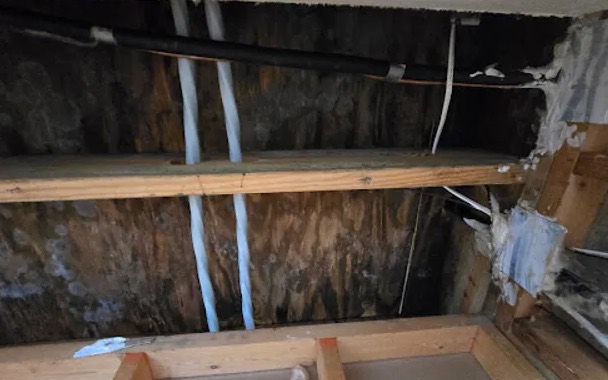
Local Attic Water Damage Restoration for Gibsonville Homes
In Gibsonville, attics get hot in summer and damp in cooler months. That cycle matters after a leak: heat can speed drying, but poor ventilation can trap moisture and keep wood damp.
In Gibsonville, attic water damage often shows up as a ceiling stain after heavy rain. Local water removal experts serve Gibsonville, Elon, Burlington and Graham, finding the leak point and drying the wood, insulation and drywall.
Detailed Attic Water Damage Restoration Solutions
Ceiling Water Damage Cleanup
Small ceiling stains can often be dried in place and sealed. Sagging, soft or crumbling drywall is replaced.
Roof Leak Water Removal
A roof leak often drips in one spot but spreads along rafters and decking. The pros follow the water path to find every wet area.
Wet Attic Insulation Removal
Insulation that stayed wet for days is removed rather than dried, since it rarely recovers and keeps the ceiling drywall damp.
Attic Mold Prevention
After drying, an antimicrobial can be applied to roof decking and framing that were wet, to slow mold on surfaces that stay in place.
Emergency Attic Water Extraction
Emergency extraction in an attic removes standing water from decking and drywall tops, and buckets or containment catch active drips.
Warning Signs You Need Attic Water Damage Restoration
Active Leak During Rain
Water dripping into the attic during rain shows an active roof leak that needs fixing and drying.
Dripping Sounds From Ceiling
Dripping or tapping sounds above the ceiling, especially during rain, mean water is getting in.
Rust on Nails or Vents
Rusted nail tips, vent flanges or metal straps in the attic point to repeated moisture.
Water Stains on Ceiling
Brown rings or yellow spots on an upstairs ceiling usually mean water is sitting on the drywall from above.
How Attic Water Damage Restoration Works in Gibsonville
Step 1: First Call and Inspection
The pros check the attic and ceiling, take photos and note where the water entered the attic.
Step 2: Bulk Water and Debris Removal
Standing water, wet insulation and fallen drywall are removed from the attic and room below.
Step 3: Drying and Monitoring
Readings are taken daily, and equipment is adjusted until every wet material is dry.
Step 4: Detailed Reporting for Insurance
A summary of the damage, the materials removed and the drying results is prepared for your claim.
Why Attics Get Water Damage in Gibsonville
Roof Leaks and Damaged Shingles
Missing, cracked or lifted shingles let rain reach the roof deck and drip into the attic.
Burst or Leaking Plumbing Pipes
Supply lines and water heaters in the attic can leak or burst directly onto the ceiling.
Clogged or Damaged Gutters
Clogged gutters overflow at the roof edge, pushing water under shingles and into the soffits.
Failing Roof Valley or Flashing
Worn flashing around valleys, chimneys and skylights lets water run into the attic.
Attic Water Damage Restoration for All Property Types in Gibsonville
Residential Attic Water Damage Restoration
Homeowners often store boxes and holiday items in the attic. Wet belongings are moved out and dried or discarded before work on the insulation and framing starts.
Commercial Attic Water Damage Restoration
Offices and stores with roof leaks need the area below protected during work. Drying is planned around business hours where possible to keep the space open.
Handling Attic Water Damage: DIY Risks vs. Pro Help
You can check the attic with a flashlight for wet insulation and dripping water if it is safe to do so. Removing soaked insulation and drying the framing takes equipment, protection and safe footing.
Factors Affecting Attic Water Damage Restoration Cost in Gibsonville
The cost of attic water damage restoration in Gibsonville depends on how much of the attic got wet, whether insulation and ceiling drywall must come out, and how long drying takes.
Extent of Water Intrusion
A small leak at one spot costs less to dry than water spread across the attic and the rooms below.
Type of Water Involved
Clean rainwater is simpler to handle than water from a drain or a contaminated source.
Mold Prevention Measures
Antimicrobial treatment of decking and rafters that stayed wet is an added cost.
Does Insurance Cover Attic Water Damage Restoration?
Insurers often ask what caused the leak and how long it ran. Notes on the leak point and the condition of the roof help answer those questions.
Benefits of Local Pros for Attic Water Damage Restoration in Gibsonville
Detailed Documentation
Photos, readings and drying logs are kept to support your insurance claim.
Advanced Moisture Detection
Moisture meters and thermal cameras find wet insulation, wood and drywall that look dry.
Wet Insulation Handling
Wet insulation is bagged and removed carefully, keeping debris out of the living space.
24/7 Emergency Attic Water Damage Restoration in Gibsonville
A wet attic soaks the ceiling below within hours. Call (919) 635-9415 for attic water damage restoration in Gibsonville at any time of the day or night.
Call Now (919) 635-9415Areas Served for Attic Water Damage Restoration Near Gibsonville
Need attic water damage restoration outside Gibsonville? Service also covers Elon, Burlington and Graham, including emergency help during storms.
- Attic Water Damage Restoration in Elon
- Attic Water Damage Restoration in Burlington
- Attic Water Damage Restoration in Graham
- Attic Water Damage Restoration in Greensboro
- Attic Water Damage Restoration in Mebane
- Attic Water Damage Restoration in Liberty
- Attic Water Damage Restoration in Reidsville
- Attic Water Damage Restoration in Staley
- Emergency Damage Restoration in 27249
- Storm Damage Restoration in 27249
- Water Damage Restoration in 27249
- Water Extraction Service in 27249
- Water Leak Detection in 27249
- Water Removal Service in 27249
Your Attic Water Damage Restoration Questions Resolved
What equipment is used for attic water removal?
Wet vacs, air movers, dehumidifiers, moisture meters and thermal cameras, plus bags and HEPA vacuums for insulation removal.
How is attic water damage documented?
With photos of the leak point and damage, moisture readings, a list of removed materials and daily drying logs.
What are common signs of poor attic ventilation?
Damp or dark roof decking, rusted nails, musty smells and condensation on the underside of the roof.
Should I remove belongings from my attic after water damage?
Yes, if it is safe. Wet boxes and items should be moved out so they can dry and the attic can be worked on.
What are the first steps after finding attic water damage?
Catch active drips, move belongings out of the room below, keep away from sagging ceilings and call for an inspection and water removal.